


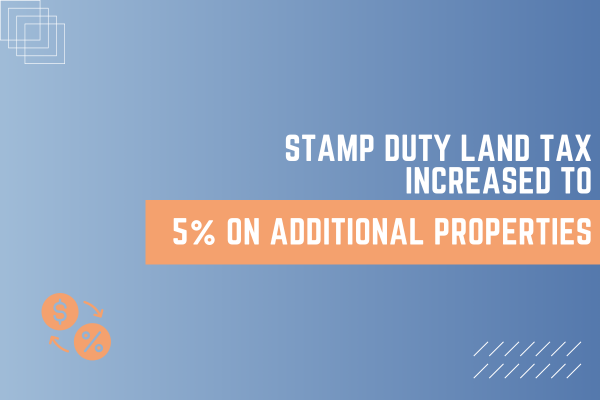
Timeframe: Immediate
Planning points:
Residential property businesses need to adapt their strategies to manage the financial impact of this increase. Here are some practical planning points to consider:
Review property acquisition strategy
- Focus on primary properties: If you’re looking to expand your portfolio, consider investing in properties that will serve as residences for long term tenants. That way you could potentially have a more stable tenant base ie families, have higher rental payments and less void periods. This could help cover the additional SDLT rates.
- Evaluate rental yield potential: Prioritise acquiring properties that promise high rental yields to offset the additional SDLT costs. Properties in high-demand areas or those suited for professional tenants may provide better returns.
Explore SDLT reliefs and exemptions
- Multiple dwellings relief (MDR): If acquiring multiple properties, MDR may allow you to calculate SDLT based on the average price rather than the total, potentially lowering the overall SDLT burden.
- Consider shared ownership: Look into shared ownership schemes or partnerships for acquiring properties. This could reduce individual costs and SDLT liabilities while expanding your portfolio.
Consider timing of purchases
- Gradual purchases: If you’re looking to expand your portfolio, consider making several smaller purchases over time rather than a large acquisition. This could help manage SDLT liabilities as well as cash flow.
Reassess portfolio management
- Evaluate current holdings: Review your existing property portfolio and assess which properties might be underperforming. Selling or exchanging them might generate funds for higher-yield investments, potentially mitigating the impact of higher SDLT costs.
- Strategies for increased costs: Factor the increased SDLT into your overall financial projections for future property acquisitions. This includes ensuring that the expected rental income can cover the additional costs.
Optimise financing options
- Explore lower deposit options: If higher SDLT impacts your cash flow, consider financing options that require lower upfront deposits. A mortgage product with a lower initial deposit could help you manage the upfront costs better.
- Review interest rates: With the potential for changes in interest rates, consider refinancing existing loans to secure better terms, which can help offset the increased SDLT burden.
Enhance property value through improvements
- Invest in renovations: Consider investing in improving existing properties to increase their value. This could allow you to sell or refinance for a higher price, which could provide cash for future acquisitions without incurring additional SDLT.
Adjust Your Cash Flow Strategy
- Build a Cash Reserve: Set aside funds to cover the increased SDLT costs when acquiring new properties. This can prevent cash flow issues and ensure you have the liquidity to manage the investment.
- Review Pricing Strategies: Consider adjusting rent prices to reflect the increased SDLT costs. However, ensure that any increases remain competitive within the local market.
Communicate with your tenants
- Educate on rent increases: If necessary, communicate with your tenants about potential rent increases to help cover the higher costs associated with SDLT. Ensure that any increases remain in line with market rates to avoid high turnover.
- Provide value added services: To justify any rent increases, consider offering additional services or amenities that enhance tenant satisfaction and retention, helping to sustain income despite rising costs.
Consider diversification of investments
- Look beyond residential properties: If SDLT on additional properties becomes too burdensome, explore diversifying your investments into commercial real estate or mixed-use properties, which may provide different tax implications and potential for higher returns.
By proactively addressing these planning points, your residential property business can navigate the increase in SDLT on second properties more effectively and continue to thrive in the changing landscape.